A molded part, not a print
The patch body, its outline and any relief come from a tool, so flat areas and raised elements are formed rather than stitched or printed.

Custom TPU patches made to your artwork, dimensions and color layout. TPU is a thermoplastic polyurethane, not PVC: material grade, thickness, surface and fixing method are agreed against your artwork and confirmed on the sample we produce.
The product
The patch body, its outline and any relief come from a tool, so flat areas and raised elements are formed rather than stitched or printed.
TPU is a thermoplastic polyurethane. How much a finished patch bends, and how it feels on a curved surface, follows from the material grade, the thickness and the structure — so it is confirmed on the sample you approve rather than assumed from the material name.
Color is laid into the part, and the separation between colors is fixed by the tool. Solid blocks and defined shapes hold; gradients and photographic shading are outside what a molded part carries.
Smooth, matte, finely textured or locally raised surfaces are set when the tool is made, so the finish is agreed before production starts.
A single approved tool produces the same part across the run, which suits logos repeated across uniforms, bags and merchandise.
Structures
One level
The design sits at one level and only color separation creates definition. Suits simple marks, wordmarks and places where the patch must stay low-profile.
Formed height
Selected elements stand above the base. The relief is defined by the tool, so how much height the artwork can take is reviewed before tooling.
Two or three levels
A background level with one or more elements above it, used when a crest or emblem needs visible separation between its parts.
Material
TPU is a thermoplastic polyurethane. Two patches made from it can feel completely different: grade, thickness and structure decide how much the part bends, how it feels in the hand and how it sits on a curved surface.
Because of that we do not publish one hardness or thickness figure for the range. Grade and thickness are agreed against your artwork and the surface it is fixed to, and confirmed on the physical sample you approve.
Color
Color is laid into the part in solid areas, so each color is a separate element of the tool. Pantone references are used to identify the closest available material color: they are a matching reference, not a guarantee of an exact match, and a screen image never represents the finished color.
For critical colors, agree a physical reference and the acceptable variation before production.
Surface
A closed, even surface that shows color separation cleanly.
A flatter surface that reduces reflection under lighting and photography.
A patterned tool surface used when a fabric-like or technical appearance is wanted.
Selected elements formed above the base plane, defined at tooling.
Size & shape
A badge or emblem shape with an even outline; the most tolerant outline for raised elements.
Suits wordmarks, name patches and label-style marks.
A traditional emblem outline; internal corners are reviewed with the tool.
An outline drawn to the artwork, reviewed for narrow sections and tight internal corners before tooling.
Size, thickness and the smallest detail are evaluated together: a shape with narrow sections and tight corners needs more room than a solid badge of the same width. We do not publish a blanket size or thickness range for TPU parts; the workable minimum and maximum are confirmed against your artwork and stated in the quotation.
Edge
The outline is set by the tool, so the edge is formed with the part and follows the approved shape.
A raised or recessed border separates the artwork from the outline; whether it suits the design is reviewed with the tooling.
Attachment
Permanent attachment by stitching, with holes provided in the part if the design calls for them. Confirm the fabric, thread and who installs the patch.
For removable or interchangeable patches. Confirm whether the matching loop piece is required and how it is fixed to the item.
For flat surfaces and short-term use. Suitability depends on the surface and the intended duration; adhesion on coated or textured materials is confirmed by testing the actual item.
Mold & sampling
The artwork is checked at its intended finished size: outline, smallest element, color count and whether the structure you want can carry the design.
Material grade, thickness, surface finish and structure are agreed before any tool is cut, because those choices set the limits of the part.
Where the structure needs a tool, it is developed and reviewed with the artwork and the approved colors.
Samples are produced from the tool and checked for color, dimension, structure and detail.
You approve the physical sample. It becomes the reference for the bulk run, in writing.
Bulk production follows the approved sample and the final specification.
Finished parts and their packing are checked before dispatch.
Tooling and sample charges, the sampling schedule and the lead time are stated in the written quotation for the design. Where a project needs no tool, that step is not charged. Tooling is made for the design it was developed from, so a change of shape or element is reviewed as a new tooling question.
Quality control
Artwork, outline and structure are checked against the approved specification before production starts.
The first parts are checked for color, dimension, thickness and detail against the approved reference.
The run is checked while it is in production, so a drift is caught before the batch is finished.
The back of the part and the fixing method are checked: stitching holes, hook-and-loop pairing or adhesive, as specified.
Appearance, dimension, quantity and packing are checked before dispatch.
The bulk run is compared with the approved sample to confirm it is the same part, not just a similar one.
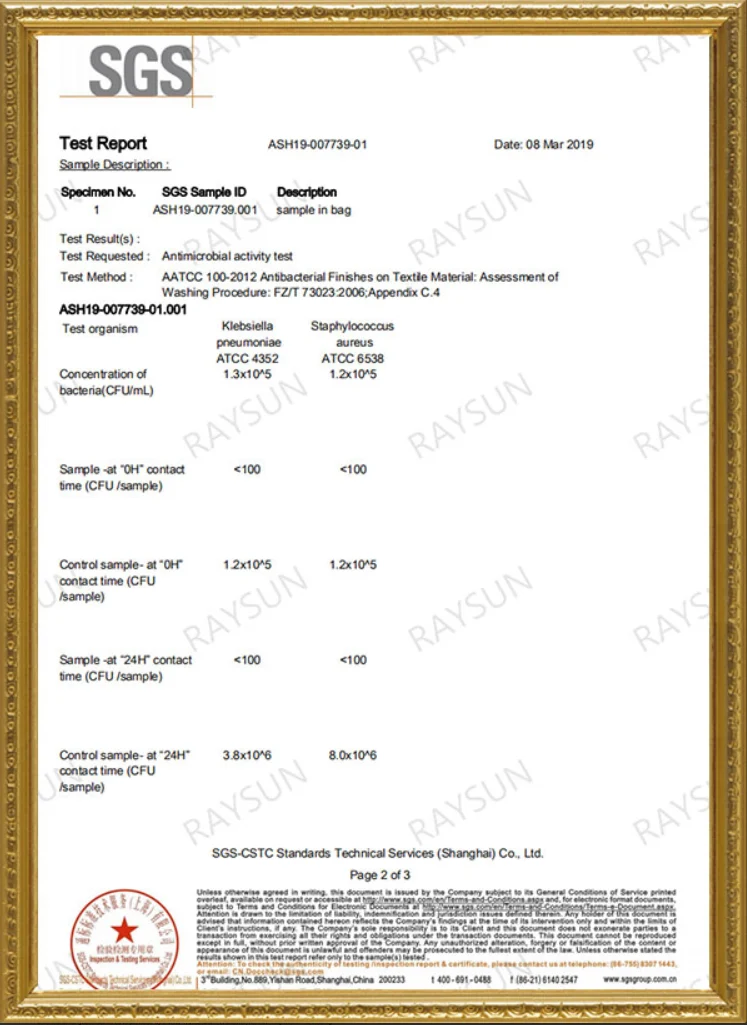
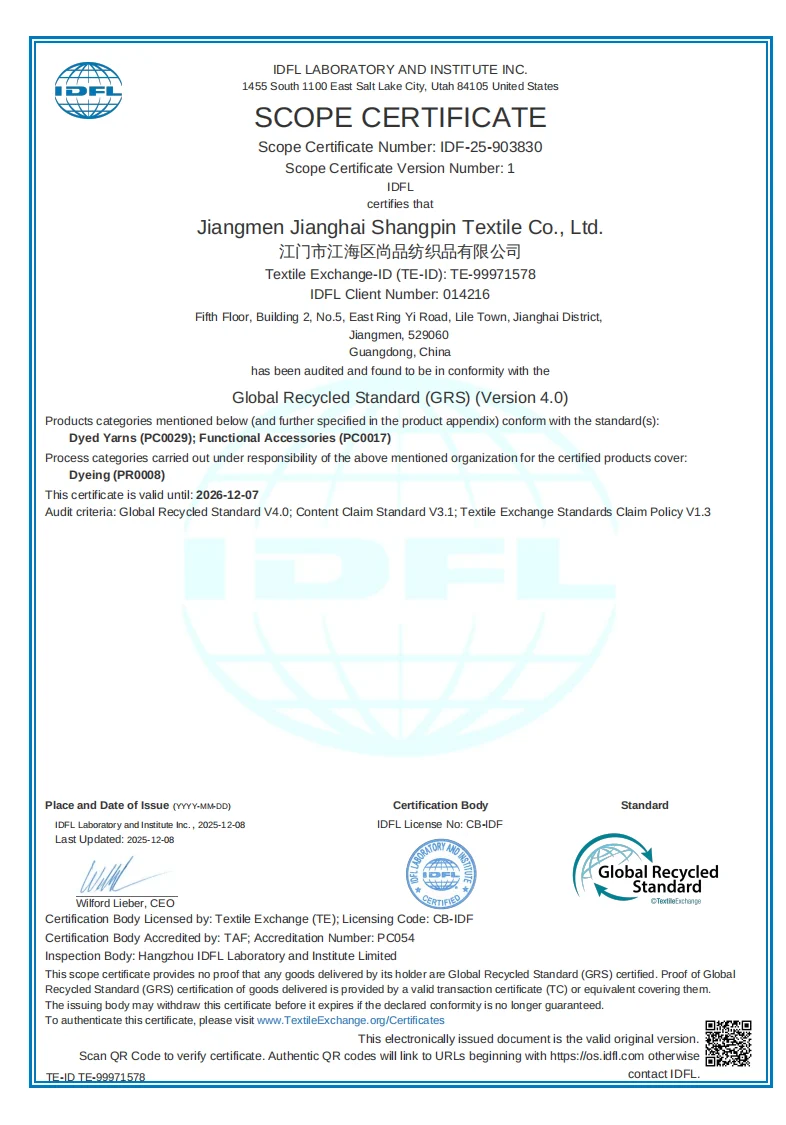
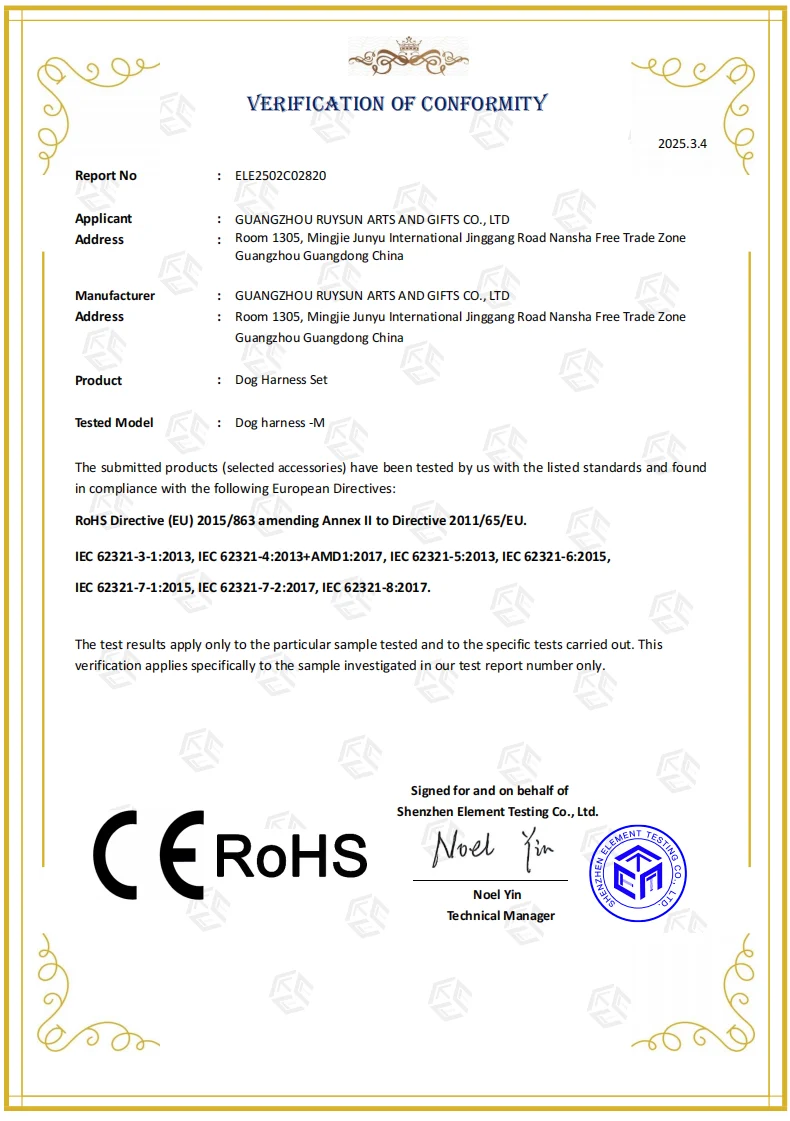
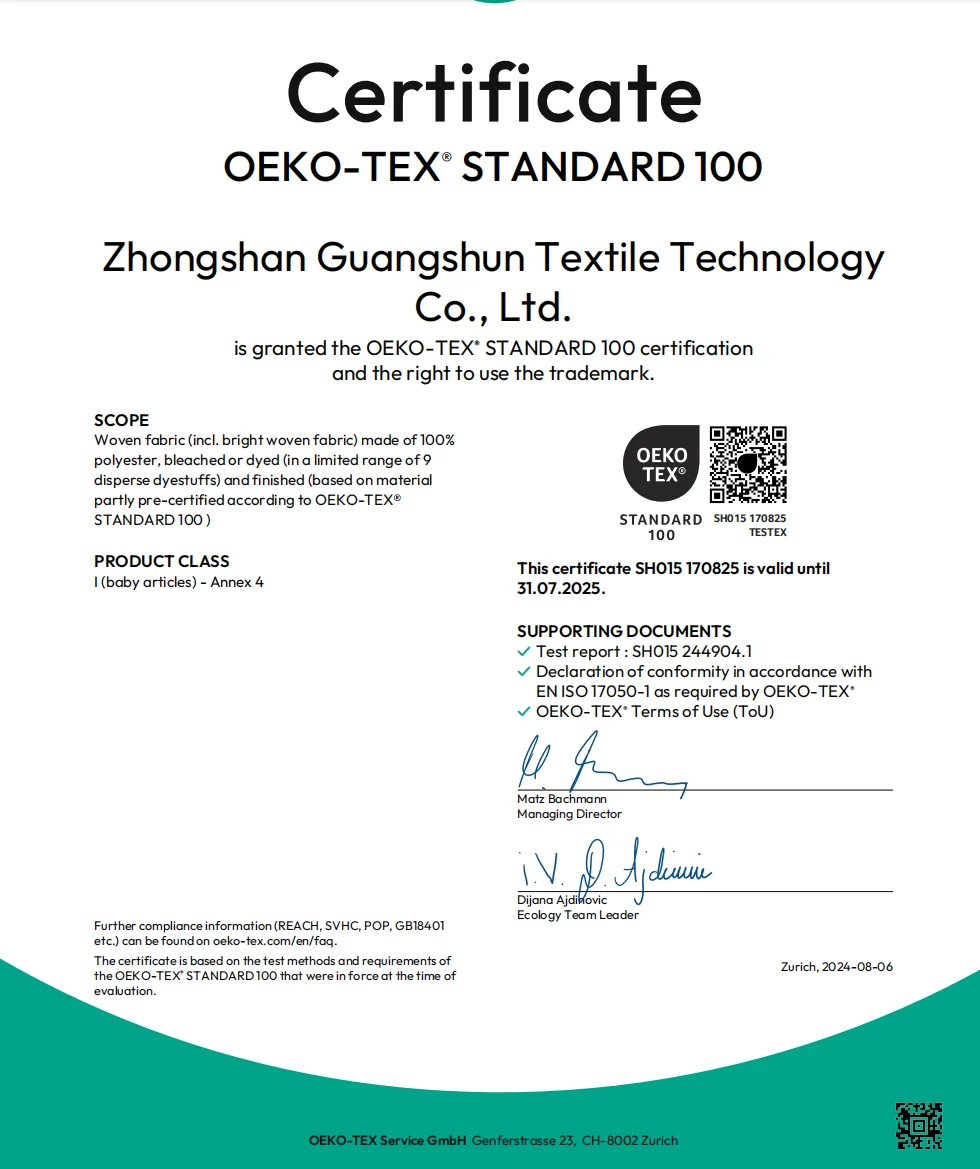
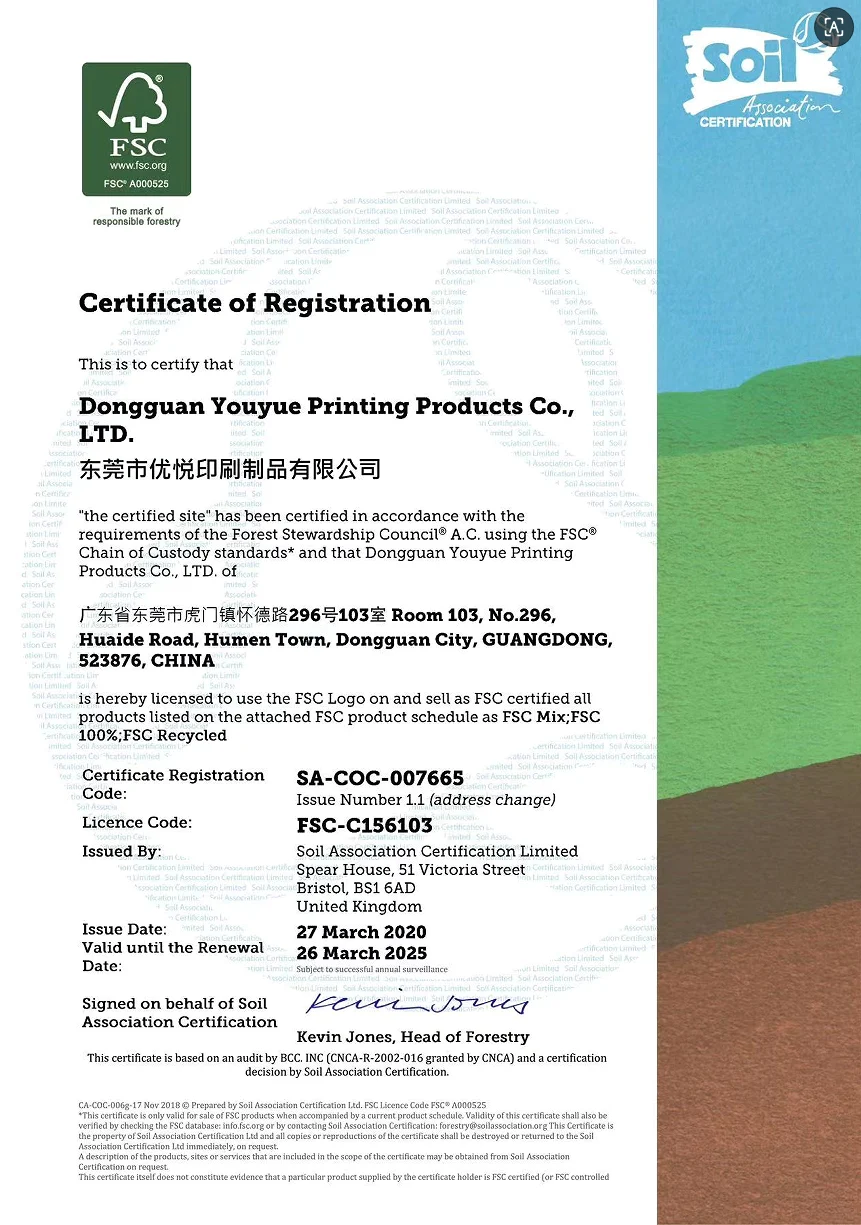
Certificates & reports

Applications
A TPU patch is specified together with the item it mounts to: the mounting area available, the surface material and the conditions the finished product meets decide the backing, the thickness and the relief. Confirm those before a sample is approved.
A badge or wordmark on the front panel, usually fixed by sewing or hook and loop. Size and curve are checked against the actual cap before tooling.
Chest, sleeve and back placements where the part has to sit on fabric that moves; thickness and edge are agreed with the garment maker.
A solid badge on a bag face or lid, where a formed part takes handling better than a flat print. Confirm the surface texture before choosing adhesive.
Repeated marks across a uniform run: one approved tool keeps the part consistent, and the fixing method must suit the fabric and the wash instructions of the garment.
Event and brand-merchandise badges where the shape carries the design; quantity per design and the fixing method shape the quotation.
Industries
Buying habits differ by sector: a uniform program, a promotional run and a resale line do not ask for the same construction. Each entry below pairs what that buyer needs with how we answer it.
Key focus
Brand marks where the badge carries the design: color separation, relief and the finish the tool allows are the deciding points.
Key focus
Repeated marks across a run: one approved tool keeps the part consistent, and fixing must suit the fabric and wash instructions.
Key focus
Event and merchandise badges where shape matters; quantity per design and fixing method shape the quotation.
Brief introduction
Badges on packs and equipment, where the fixing method and the surface are reviewed with the item.
Brief introduction
Functional marks where the fixing method must be confirmed for the equipment; only projects with real material are shown.
Guides
These comparisons explain how one material and one construction differ from another, so the choice is settled before a sample is ordered.
Five constructions compared on build, artwork limits and fit, with a product-by-product decision guide.
Read the comparisonThe same five constructions ranked separately for caps, uniforms, fine detail, bags and promotional runs.
Read the comparisonConstruction mechanics, artwork limits, attachment and how to verify a supplier's claims.
Read the comparisonFAQ
These are the questions that come up before an order is placed. If yours is not here, ask it with your quote request and we will answer it directly.
A TPU patch is a part formed from thermoplastic polyurethane: color is laid into the material and the outline comes from a tool. It is not PVC and not a fabric patch, so the material is named on the specification and confirmed on the sample.
They are different polymers with different processing, so they can be compared on artwork, shape, surface and use — but not ranked in the abstract. The same artwork can behave differently in each. Ask for both samples and compare the physical result.
TPU is a flexible thermoplastic polyurethane, but how much a finished patch bends depends on the material grade, the thickness and the structure. That combination is confirmed on the physical sample rather than stated as a general property.
We do not publish one hardness or thickness figure for the range, because the workable values follow from the artwork, the shape and where the patch is fixed. The values for your design are confirmed in the sample stage and stated in the quotation.
Flat, raised and layered structures are reviewed against your artwork. Relief is decided when the tool is made, so how much height a design can take is agreed before tooling starts.
Pantone references are used to identify the closest available material color. They are a matching reference, not a guarantee of an exact match, and a screen image never represents the finished color. For critical colors, agree a physical reference before production.
Sew-on with stitching holes, hook and loop, and adhesive backing. The method is chosen for the surface the patch sits on and confirmed against the actual item, since adhesion and stitching both depend on the material.
Only after the fabric, temperature, pressure and dwell time have been confirmed to suit the TPU part. Heat application is not offered as a standard option: it is evaluated on the actual material first, and where the fabric cannot take it we recommend sewing or another fixing method.
Molded structures need a tool. Whether your design needs one, and what the tooling costs, is stated in the written quotation; charges are tied to the design they were made for.
Yes. The artwork and specification are approved first, then a physical sample of the chosen structure and fixing method; that sample becomes the reference for bulk production.
It depends on the structure, the tooling and the size, so it is stated for your design in the written quotation rather than fixed by a list price.
Timing is confirmed per order and depends on artwork approval, tooling, quantity and scheduling. It is stated in the quotation, and a production date is not a delivered-by promise.
Yes — express, air or sea freight, or your nominated forwarder. The method is confirmed against the destination and quantity. Product cost, freight, duties and taxes are agreed separately.
Start your quote
Tell us the finished size, the surface the patch goes on and how it is fixed. Artwork is reviewed at its intended size before we quote, because thickness, relief and color areas decide what the construction can hold — a clear photo or sketch is enough to start.