Molded, dimensional surface
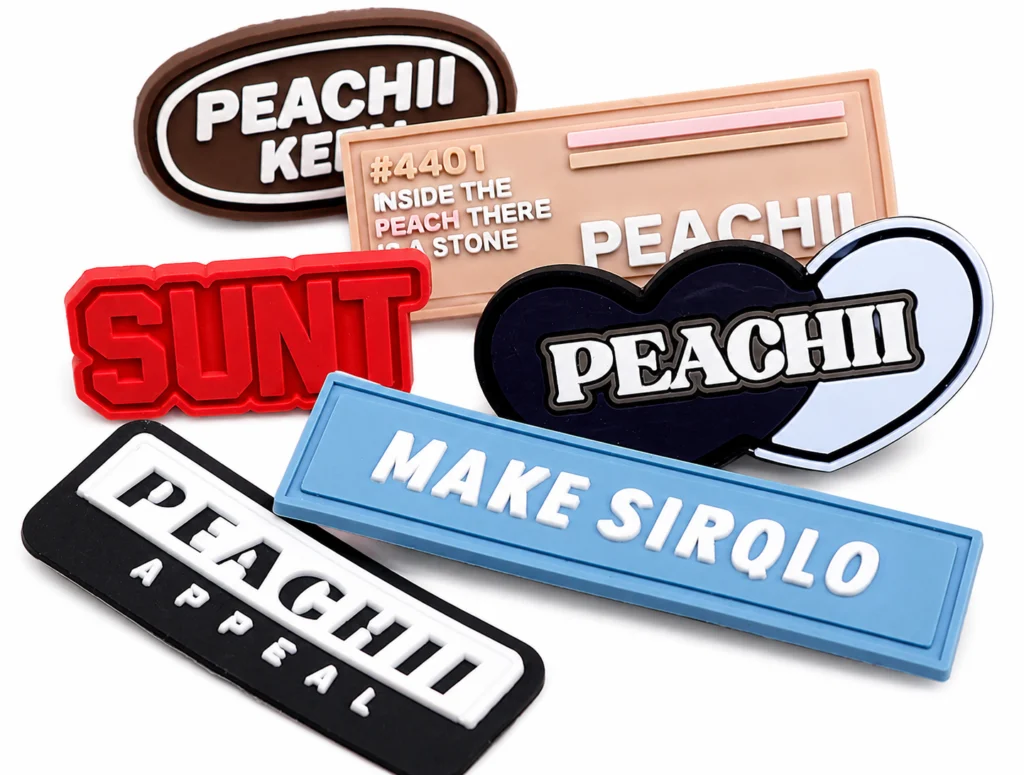
The design is molded rather than woven or stitched, so raised and recessed levels carry the shape instead of flat ink or thread.

Molded PVC patches made to your artwork, dimensions, color layout and selected backing — supplied as separate patches for installation on your products. Send the design and the item it mounts to, and structure, thickness and backing are reviewed together.
MOQ100 pcs per design, size and color combination.
The product
A PVC patch is a separate molded part, not a printed or stitched label. These are the properties that decide what the design can do on it.
The design is molded rather than woven or stitched, so raised and recessed levels carry the shape instead of flat ink or thread.
Each color is its own area of the mold, so the design reads by shape and color. References are agreed before sampling.
Flexibility and hardness depend on the formulation and the thickness you need, so they are confirmed on the sample rather than assumed.
Hook and loop, sew-on, adhesive or plain backing, chosen against the surface the patch mounts to.
Structures
Choose flat raised levels, sculpted relief or a layered structure. The structure is reviewed against your artwork, material and installation requirements before it is confirmed.
Standard structure
Defined raised levels and recessed areas create a clear, stepped design. Suitable for logos with distinct outlines and color areas; detail is reviewed at the finished size.
Standard structure
Sculpted relief adds rounded contours and depth. Shape, height transitions and small details are reviewed through mold development and sample approval.
Standard structure
Multiple levels create a layered visual structure. Height relationships and color boundaries are defined for mold review.
Material
The patch is molded as one part, so thickness and hardness come from the material and the mold rather than from a coating. Tell us where it mounts and how it should feel: a thin, flexible badge for a curved cap panel and a firmer one for a flat jacket back are different constructions, not a stock option. Hardness and thickness are confirmed on the sample against your requirement, and no hardness figure is published here because it belongs to the specific formulation.
Color
Send a color reference for each area and mark where one color ends and the next begins. A Pantone reference lets us talk about the same color, and the molded sample is what gets approved — the material, its finish and the light will differ from a paper card or a screen. On a layered patch, color boundaries are agreed at the same time as the height levels.
Surface
A low-sheen surface that photographs without a hot spot. Approved on the sample.
A brighter surface that deepens color and reflects light. The sheen is approved on the sample, not on screen.
A grained or raised area inside the same patch. The texture is confirmed on the sample for the design.
Size & shape
The most forgiving outline: color areas and lettering keep room around them.
Straight baselines for lettering and blocks; tight corners are reviewed at the finished size.
Classic badge proportions. Points and notches are checked for thickness during mold review.
Your own shape. Thin sections, narrow bridges and internal cut-outs are reviewed before the mold is made.
Size works against detail: the smaller the patch, the larger the smallest element has to be, and a thicker section holds relief that a thin one cannot. Send the finished width and height in mm or inches, and say whether the thickness you name includes the relief and the backing. Ranges are confirmed for the design rather than quoted from a fixed catalogue.
Edge
The outside edge is formed by the mold itself, so the outline is the design's own shape. Rough or tight contours are checked during mold review.
Excess material is trimmed from the molded part before final inspection, and the edge is compared with the approved sample.
Attachment
For removable patches on a compatible mounting area. Confirm the required fastener side, the mating surface and whether a matching loop piece is needed.
For stitched attachment. Confirm the sewing method with the garment or bag maker, and the patch back is made to suit it.
For a flat, clean surface. Adhesion depends on the surface and on how long the patch must stay; permanent or washable performance is not assumed.
No fastener. The patch is supplied flat at the back for the installation you arrange.
Mold & sampling
Lettering, color areas, outline, relief and installation requirements are reviewed at the intended finished size.
The mold layout is developed from the agreed design, dimensions and raised levels.
Material, colors and the feasibility of the requested finish are confirmed for sampling.
The design is molded and the structure and detail are assessed against the agreed specification.
Finishing and the selected rear construction are completed.
The finished patch is compared with the approved reference and the agreed acceptance criteria.
Design identification, quantity, packing and transport arrangements are confirmed before dispatch.
Mold and sample arrangements follow the design review: development cost and timing depend on the structure and the number of designs, so they are confirmed in the quotation rather than published as a fixed fee. A target date is not a guaranteed dispatch date.
Quality control
Outline, raised levels and relief are checked against the approved sample and design.
Color areas and separations are compared with the agreed references under agreed viewing conditions.
Finished size and thickness are checked against the written specification and the tolerances agreed for the order.
Finish, visible defects and the appearance of any confirmed effect are reviewed.
Molded edge, trimming and outline are compared with the approved reference.
Rear surface, backing alignment, design identification, quantity and packing are checked before dispatch.
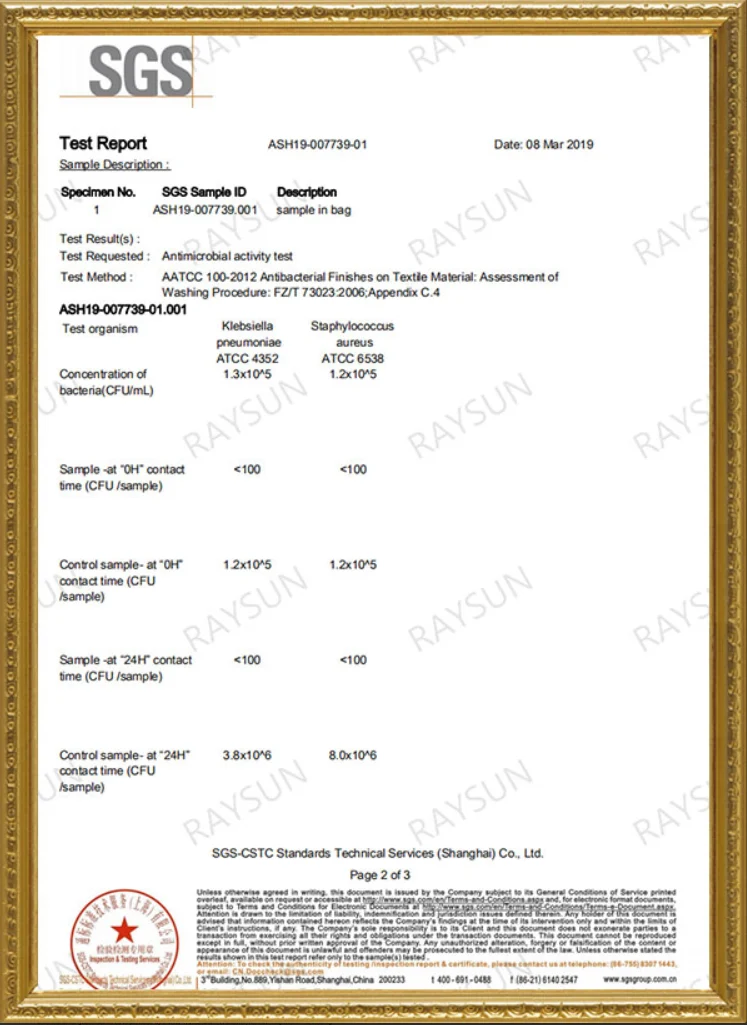
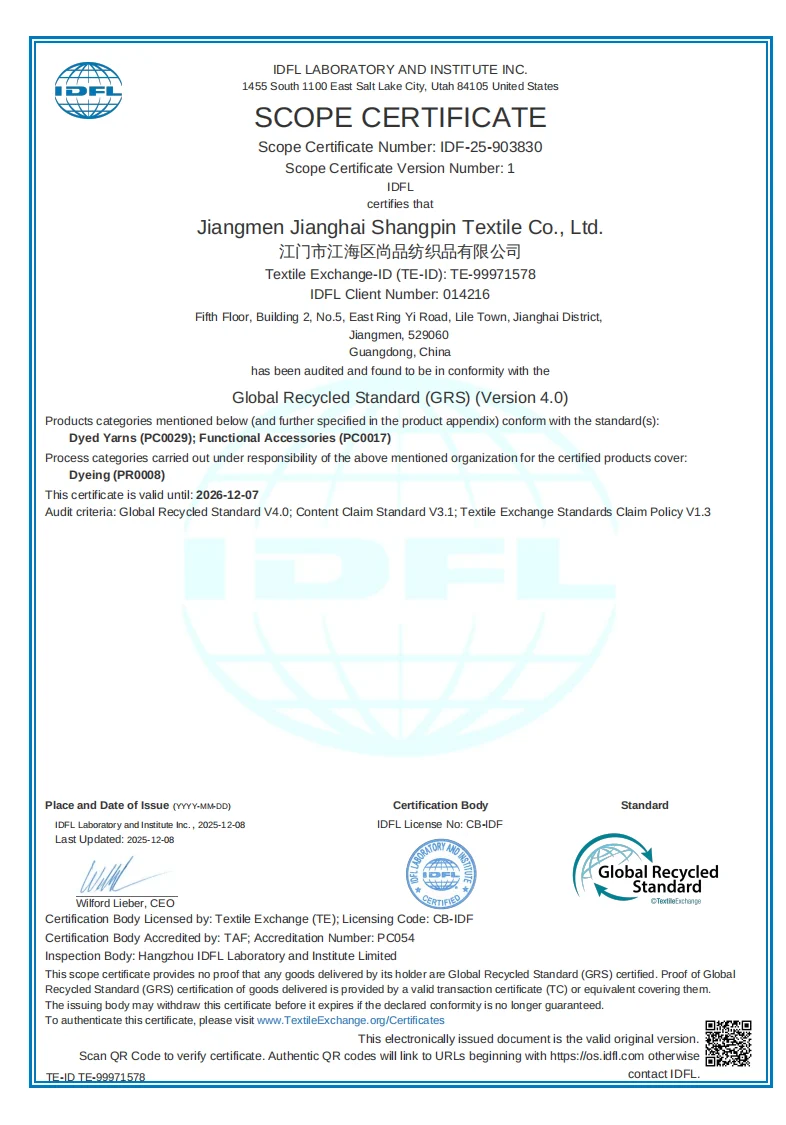
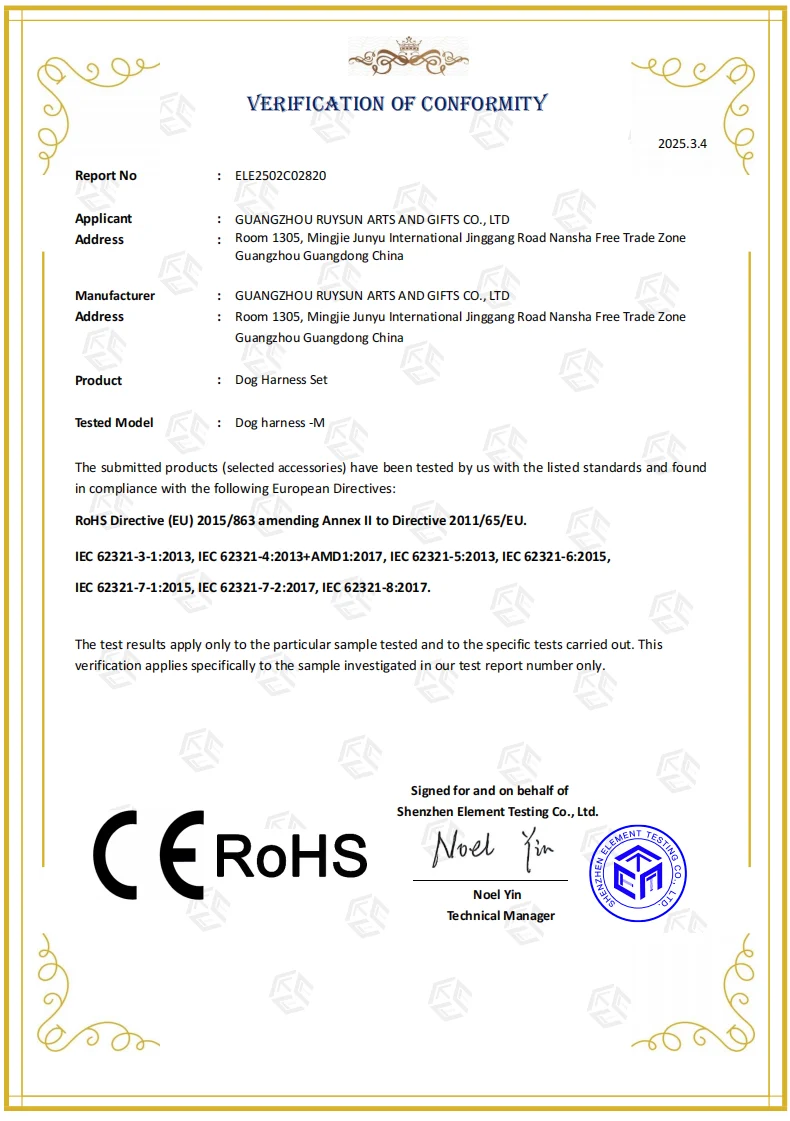
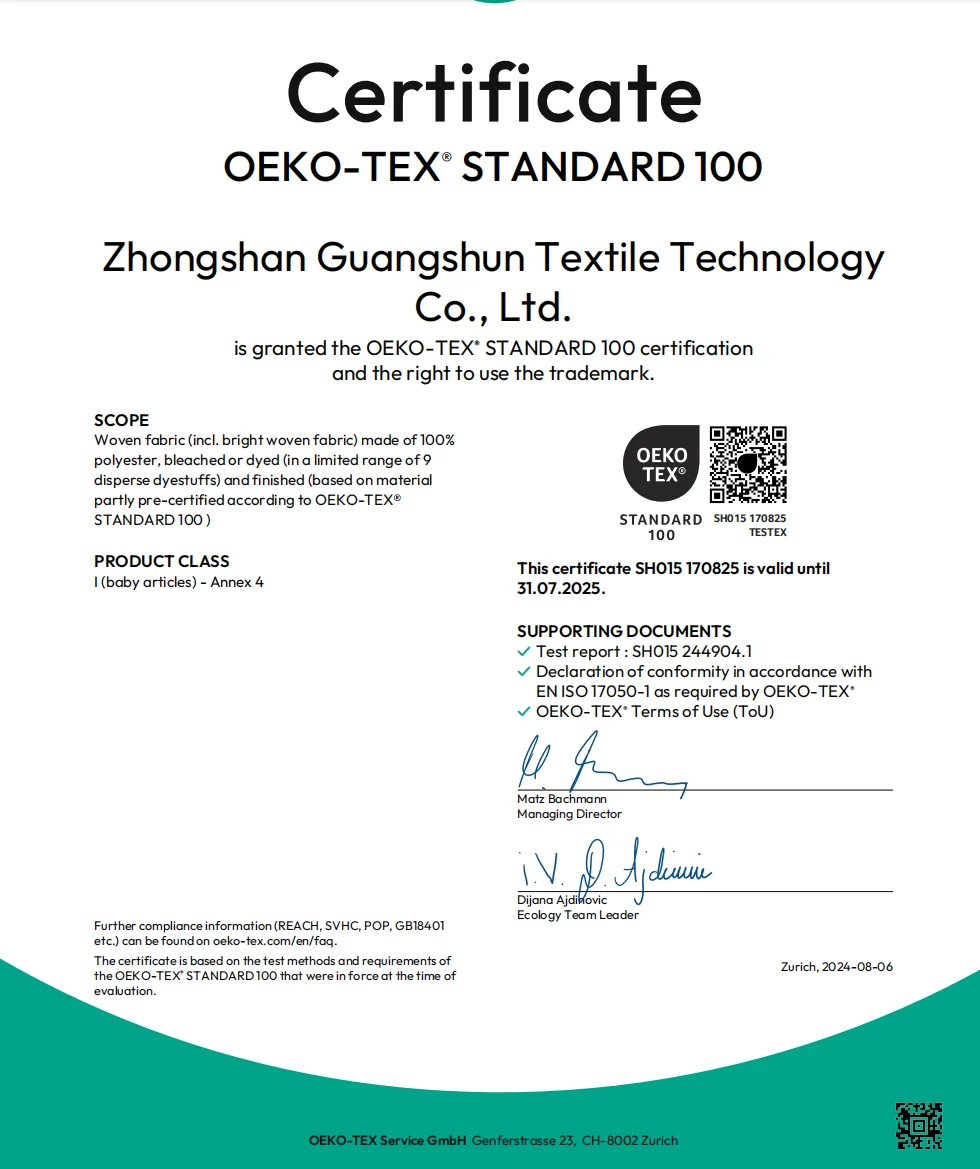
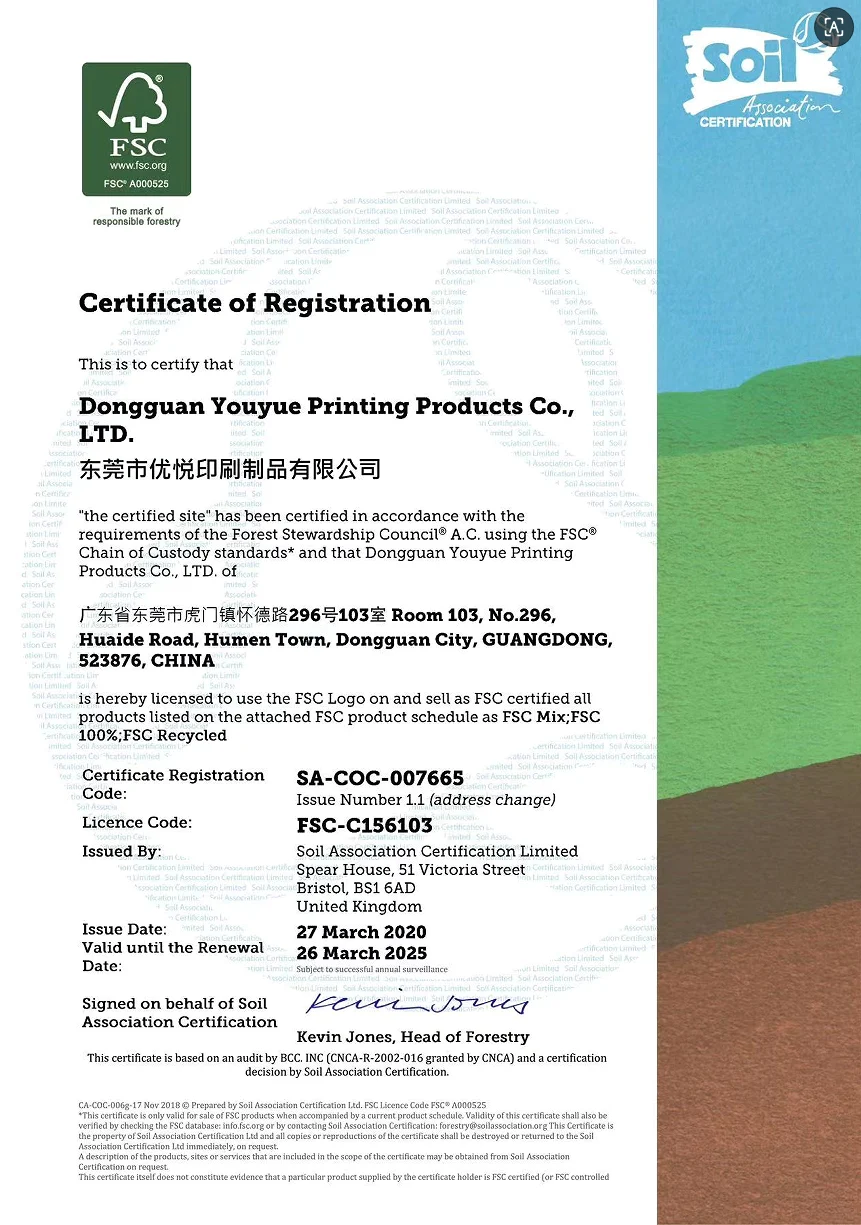
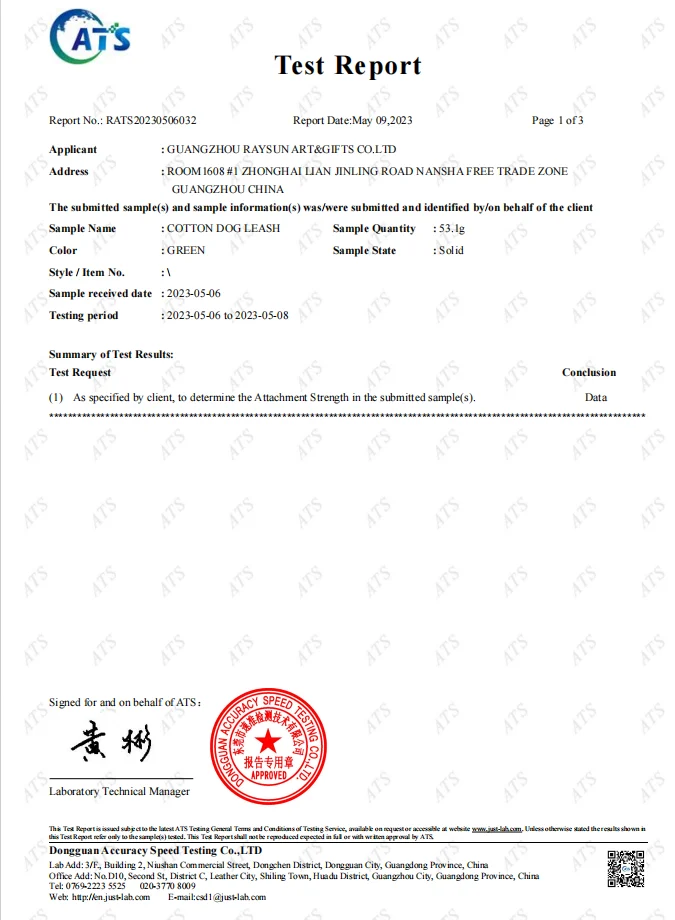
Certificates & reports

Applications
A PVC patch is specified together with the item it mounts to: the available mounting area, the surface material and the conditions the finished product meets decide the backing, thickness and relief. Confirm those before a sample is approved.
Coordinate the patch footprint and the attachment with the panel construction.
Confirm garment material, care conditions and the mounting method.
Check the mounting area, the fabric coating and whether the attachment suits it.
Coordinate shape, color, packaging and how the recipient will use it.
Confirm exposure and care requirements; outdoor performance is not assumed from the material alone.
Industries
Buying habits differ by sector: a uniform program, a promotional run and a resale line do not ask for the same construction. Each entry below pairs what that buyer needs with how we answer it.
Focus
Brand marks where the badge is part of the garment design: color areas, relief and outline decide how it reads. Artwork is reviewed at the finished size and the mold is developed from it.
Focus
Identification that must look the same across a run. One approved sample and written specifications are the reference for the whole order, and dimensions are checked against them.
Focus
Shaped merchandise for events and campaigns, where shape, color and packaging are planned together and several designs can share one order.
Brief
Gear and accessories where the mounting surface and the conditions matter. Exposure and care are confirmed per item.
Brief
Functional identification where attachment and structure matter. Only projects actually supplied are described, and suitability is confirmed for the item and its use.
FAQ
These are the questions that come up before an order is placed. If yours is not here, ask it with your quote request and we will answer it directly.
Start your quote
Artwork is reviewed at its intended finished size before we quote, because structure, relief and color areas decide what a mold can hold. Vector artwork helps; a clear photo or sketch is enough to start, and the sample is what we approve against.
MOQ100 pcs per design, size and color combination.